
(Inside the forbidden city palace)
A Treasure Trove: The Palace Museum’s Collection
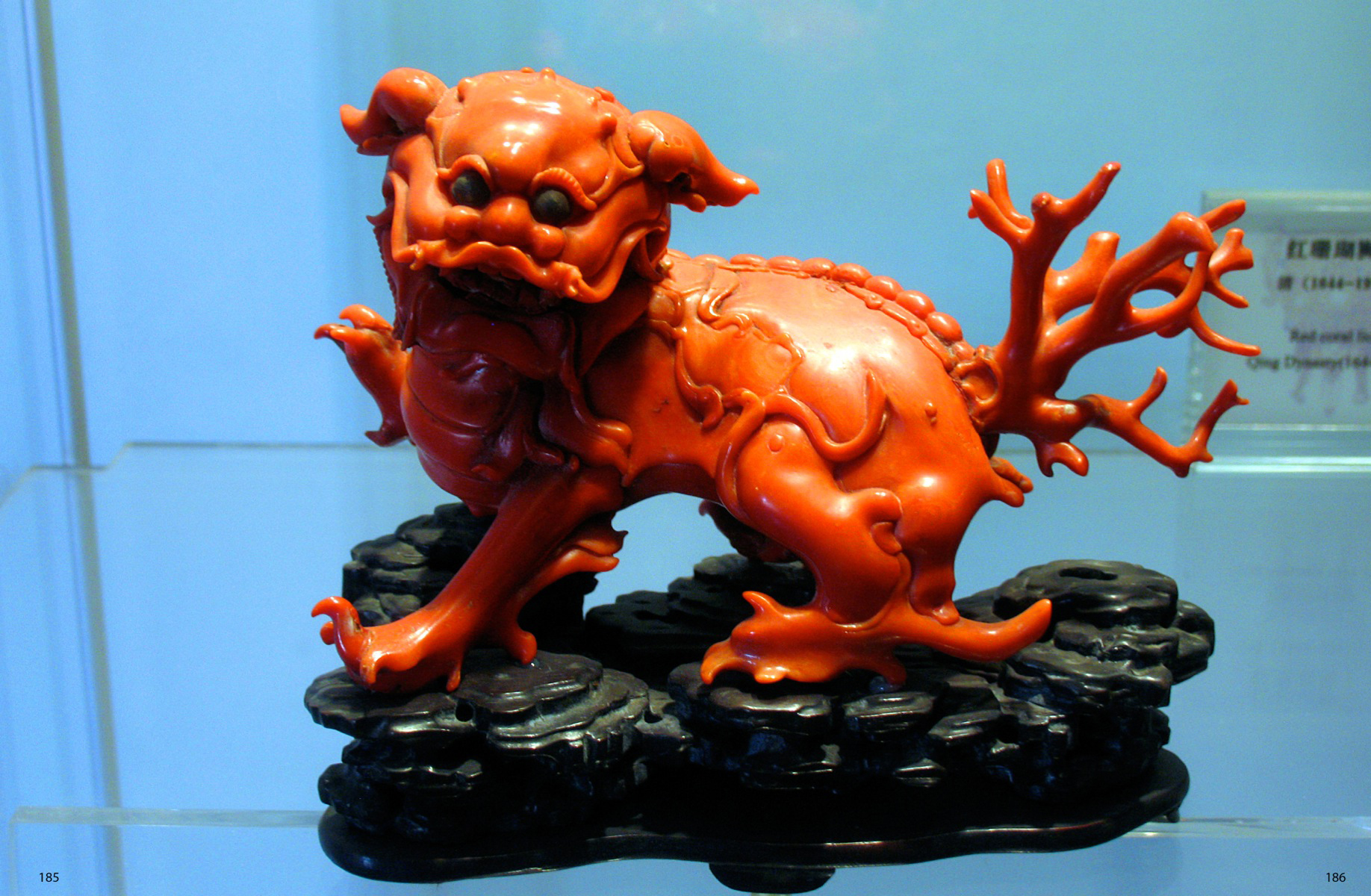
Beyond the halls and gates, the Forbidden City holds something just as remarkable: an enormous collection of imperial treasures. Since 1925, when the complex was officially turned into the Palace Museum, it’s been the keeper of the Qing Dynasty’s imperial holdings — paintings, ceramics, jewelry, jade, and bronze, all gathered over centuries by China’s ruling families.
That first audit in 1925 counted roughly 1.17 million items. But the collection’s story hasn’t been a simple one. Amid the internal and external conflicts of the 20th century, a significant portion of the collection was relocated — much of it sent to Taiwan, with additional pieces moved to Nanjing. Despite those upheavals, the museum has continued to grow. A more recent audit in 2010 counted approximately 1.8 million artifacts, the vast majority of which are recognized as valuable national cultural relics.
Here’s a closer look at what the collection actually contains:
**Bronze.** The museum’s bronze collection numbers close to 10,000 pieces, including about 1,600 inscribed items dating to the pre-Qin period — some of the oldest and most historically significant objects in the entire collection. A major highlight is the imperial court’s ceremonial bronze-ware, used in the elaborate rituals that once filled the palace halls.
**Ceramics.** With an estimated 340,000 pieces of porcelain and ceramics, this is one of the collection’s largest categories. It includes imperial pieces dating all the way back to the Tang and Song Dynasties, alongside roughly 320,000 pieces of fine porcelain from the imperial collection itself. As with much of the museum’s holdings, a substantial portion of the ceramics collection now resides across the strait at the National Palace Museum in Taipei, as well as at the Nanjing Museum.
**Paintings.** The museum holds around 50,000 paintings, making it the largest painting collection in China — though many pieces remain in storage rather than on public display. More than 400 of these predate the Yuan Dynasty (1271–1368), making them exceptionally rare survivors of Chinese art history. Interestingly, the collection’s story isn’t only one of preservation — some paintings were lost over the decades, only to be replenished later through donations and transfers from other institutions.
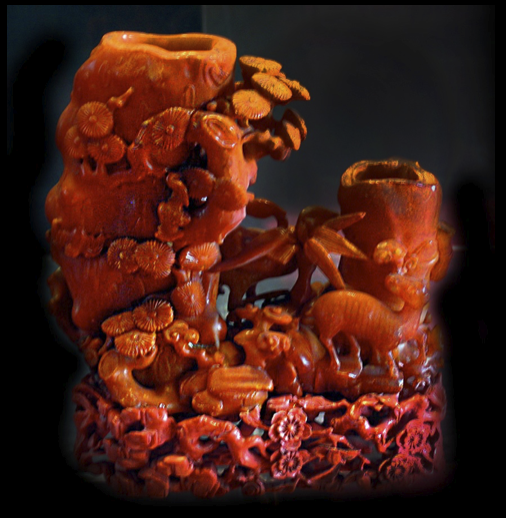
**Jade.** Jade has always held deep cultural significance in China, and the Palace Museum’s collection reflects that with about 30,000 pieces. Some are famous historical artifacts passed down through generations; others come from more recent archaeological finds. The oldest pieces in the collection stretch back as far as the Neolithic period, offering a glimpse of Chinese craftsmanship thousands of years before the Forbidden City itself was ever built.
**Timepieces.** Perhaps one of the more surprising parts of the collection is its clocks and watches. The Palace Museum houses one of the largest collections of 18th- and 19th-century mechanical timepieces anywhere in the world, featuring both Chinese-made pieces and imports from Britain, Switzerland, France, Japan, and the United States — a reminder of just how connected the imperial court was to global craftsmanship and trade, even behind those towering walls.
## Surviving the Centuries
The Forbidden City has seen its fair share of turmoil. During the Second Opium War in 1860, Anglo-French forces occupied the palace. In 1900, Empress Dowager Cixi fled the city during the Boxer Rebellion, and foreign troops moved in until the following year. Even after the founding of the People’s Republic of China in 1949, the complex faced threats — including during the Cultural Revolution, when Premier Zhou Enlai personally intervened, sending soldiers to protect it from destruction.
Despite everything, the Forbidden City still stands today, remarkably intact and endlessly captivating — a living reminder of the artistry, power, and philosophy that shaped imperial China for half a millennium.