Sale
Select options This product has multiple variants. The options may be chosen on the product page
Thailand

Original price was: $7.99.Current price is: $4.99.
Select options This product has multiple variants. The options may be chosen on the product page
Thailand Adventures

Gilded temples at first light, markets that float, and the quiet rituals that hold it all together. Preview the photographs, field notes, and cultural context inside the book.

Travel essentials

Best time to visit

November to February is dry and cooler. March to May is intensely hot; June to October brings rain, greener landscapes and far fewer people.

Getting there

Bangkok's two airports connect to most of the world. Domestic flights, overnight trains and long-distance buses link the regions cheaply.

Getting around

Bangkok has the BTS Skytrain and metro; elsewhere, songthaews, motorbike taxis and rail. Trains are slow and worth it.

Where to stay

Everything from guesthouses to heritage hotels. In Chiang Mai, staying inside the old city puts most of the book's locations on foot.

Food

Regional, not singular — fiery som tam in the north-east, coconut curries in the south, Chinese-influenced noodles in Bangkok. Street stalls are the standard, not the exception.

Safety and etiquette

Generally very safe. Cover shoulders and knees at temples, remove shoes, never point your feet toward a Buddha image, and treat images of the monarchy with care.
Look inside the pages

Stories behind the photographs

Each image came from somewhere specific, at a particular hour, for a reason. Read a few of the field notes that accompany the photographs.

The alms round

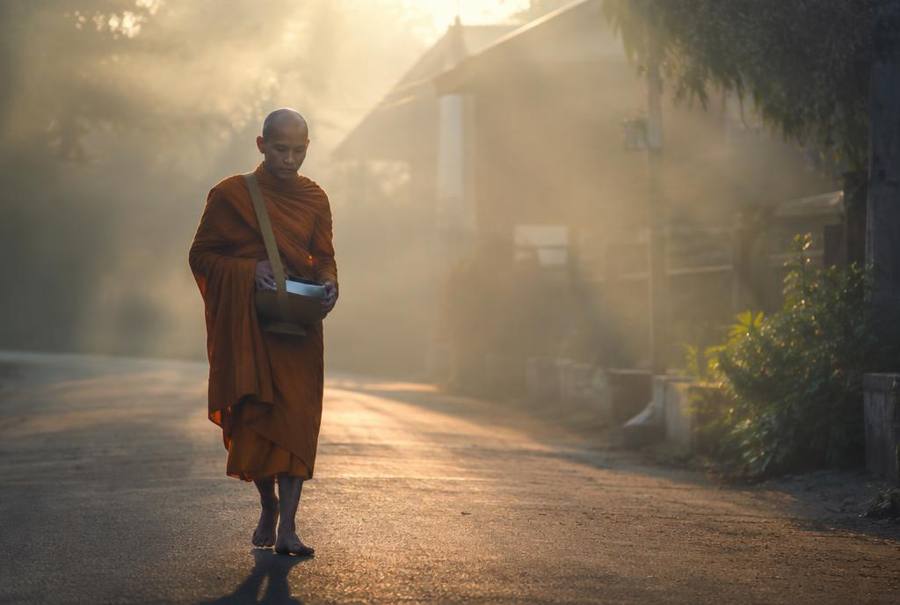
Before dawn, monks walk a fixed route while households wait with rice. It is not charity in the way outsiders read it — the giver receives the merit, and the exchange runs in both directions.

Photographing it means standing back, staying low, and not interrupting. The mist here comes off the rice fields in the cool season and burns away within the hour.

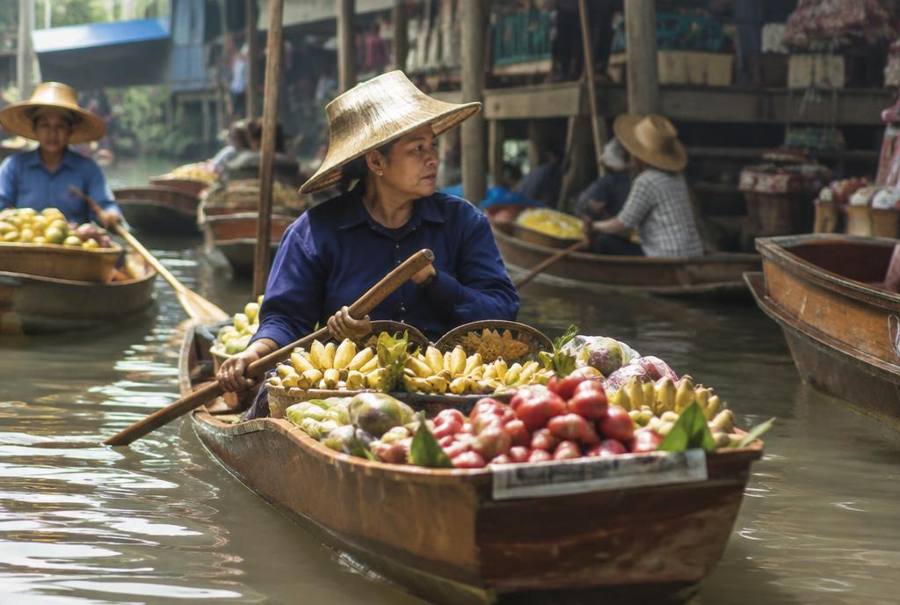
A market that floats

Before roads reached the delta, the canals were the roads. The floating markets are a surviving fragment of that older system, now part commerce and part memory.

The working hours are the early ones. By mid-morning the boats are selling souvenirs; before seven, they are still selling breakfast to each other.

A short paragraph describing exactly what this service offers and how it helps clients. This is your chance to convince the visitor that your business is the right choice for them.

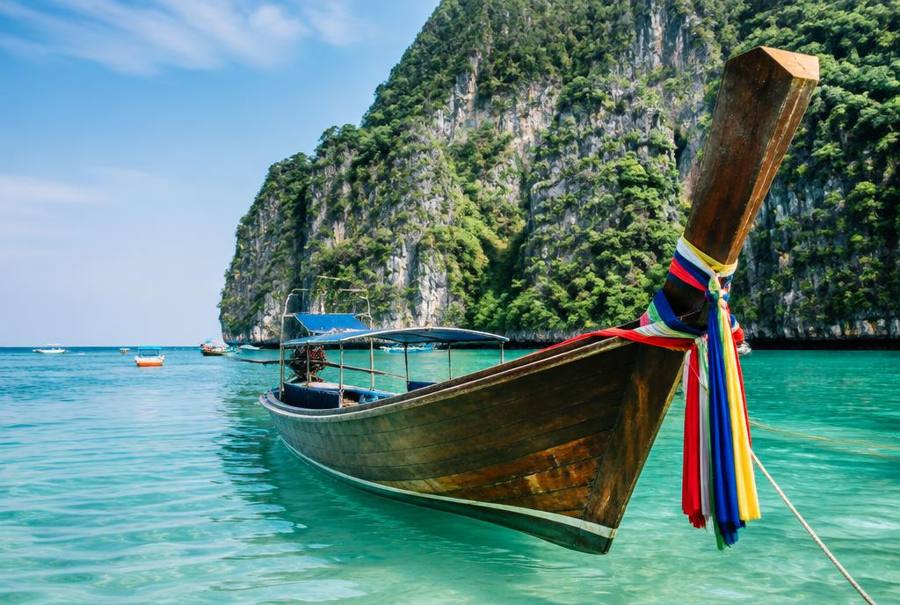
Ribbons on the bow

A short paragraph describing exactly what this service offers and how it helps clients. This is your chance to convince the visitor that your business is the right choice for them.

OUR EXPEDITION

The Journey of Our Process

How we evolved from a simple manuscript tracking concept into an industry-leading collaborative platform for historical book archiving.


1238

Phase 01

The Sukhothai kingdom forms, credited with the Thai script and the classical Buddha image.

1351

Phase 02

Ayutthaya is founded and grows into one of the largest cities on earth, trading with Persia, Japan and Europe.

1767

Phase 03

Ayutthaya falls to Burmese armies. The capital moves south, eventually to Bangkok.

1782

Phase 04

The Chakri dynasty begins; Rattanakosin island becomes the new royal centre.

1855–1910

Phase 04

Reforms under Mongkut and Chulalongkorn modernise the state and keep colonial powers at arm's length.

1932

Phase 04

Absolute monarchy ends; a constitutional system begins, and remains contested.

1960s–now

Phase 04

Rapid urbanisation and mass tourism reshape the coasts and the capital.

Places and travel notes

Why the temples look the way they do
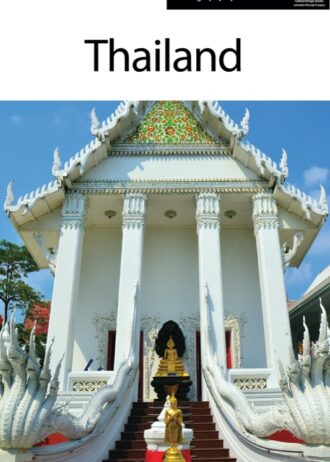
The multi-tiered roof, the flame-like finials at each gable end, the naga serpents flanking the stairs — none of it is ornament for its own sake. The naga guards the threshold between the ordinary world and the sacred one.

The gold is merit made visible: donated, applied, and renewed.Northern temples carry Lanna influence, with lower roofs and darker wood. Bangkok's are steeper, brighter, and more Khmer-inflected. Once you can see the difference, you can place a photograph on a map.